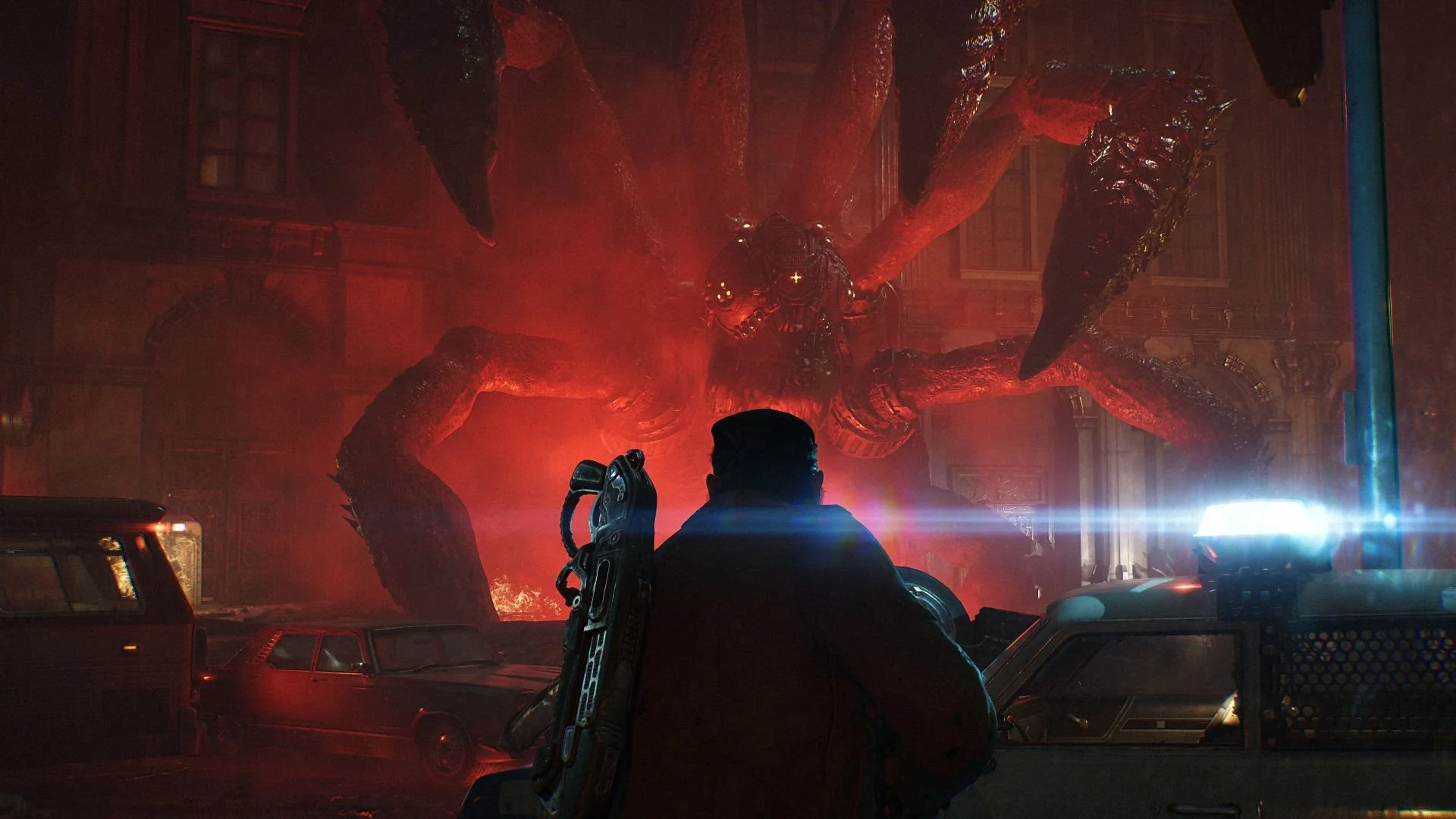
My Time on Gears of War: E-Day
October 2024 - August 2026
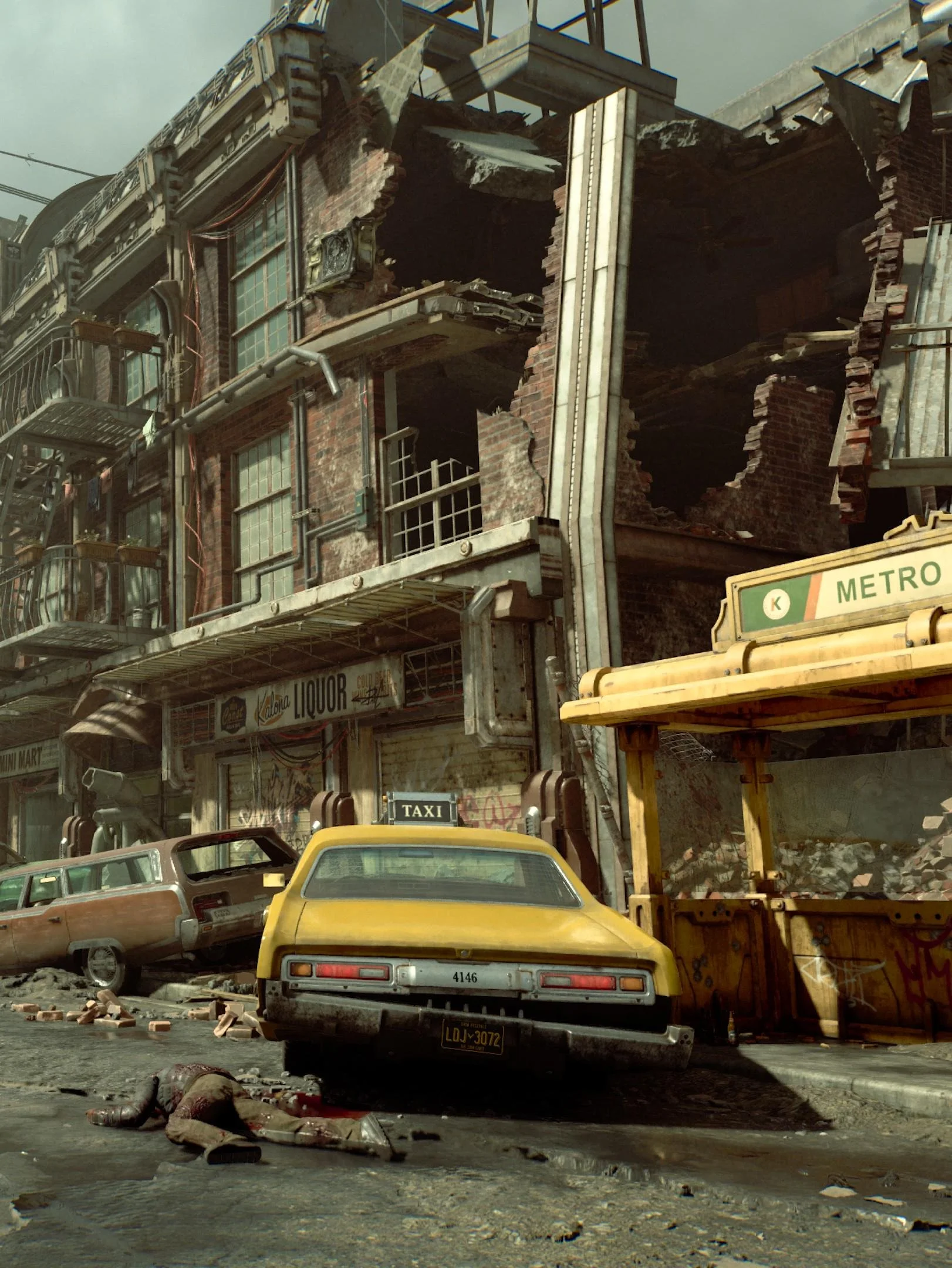
Making destroyed beauty

Package. Distribute. Support.
I was responsible for packaging up The Coalition’s internal Procedural Content Generation tool set and making it generic for the wider XBOX studios audience to be able to consume.
This requires me to track all dependencies used in the tool set and either remove, replace, or recreate functionality where it doesn’t exist in the Sample Game project. I’m also required to port over all the graphs and UI of the tool, all while the tool continues to be iterated on throughout E Day’s development. It is a game of catching up to a full speed train.
I was able to port over the core functionality of the PCG tools, including manual instance editing, memory caching, tumbling, hierarchical generation, among many other features. Total porting effort took over 600 individual files and vast majority needed additional decision making from me.
Optimize
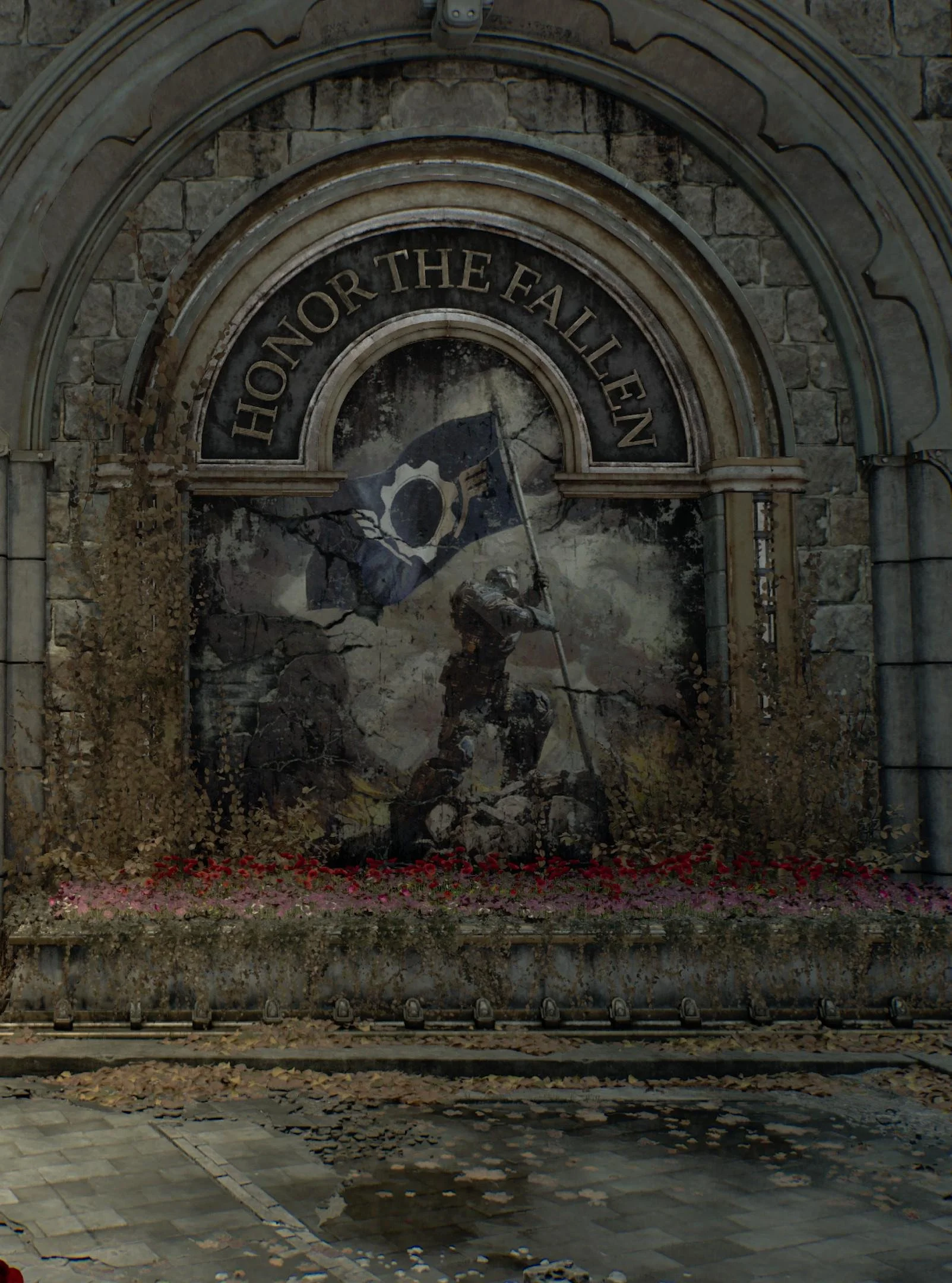
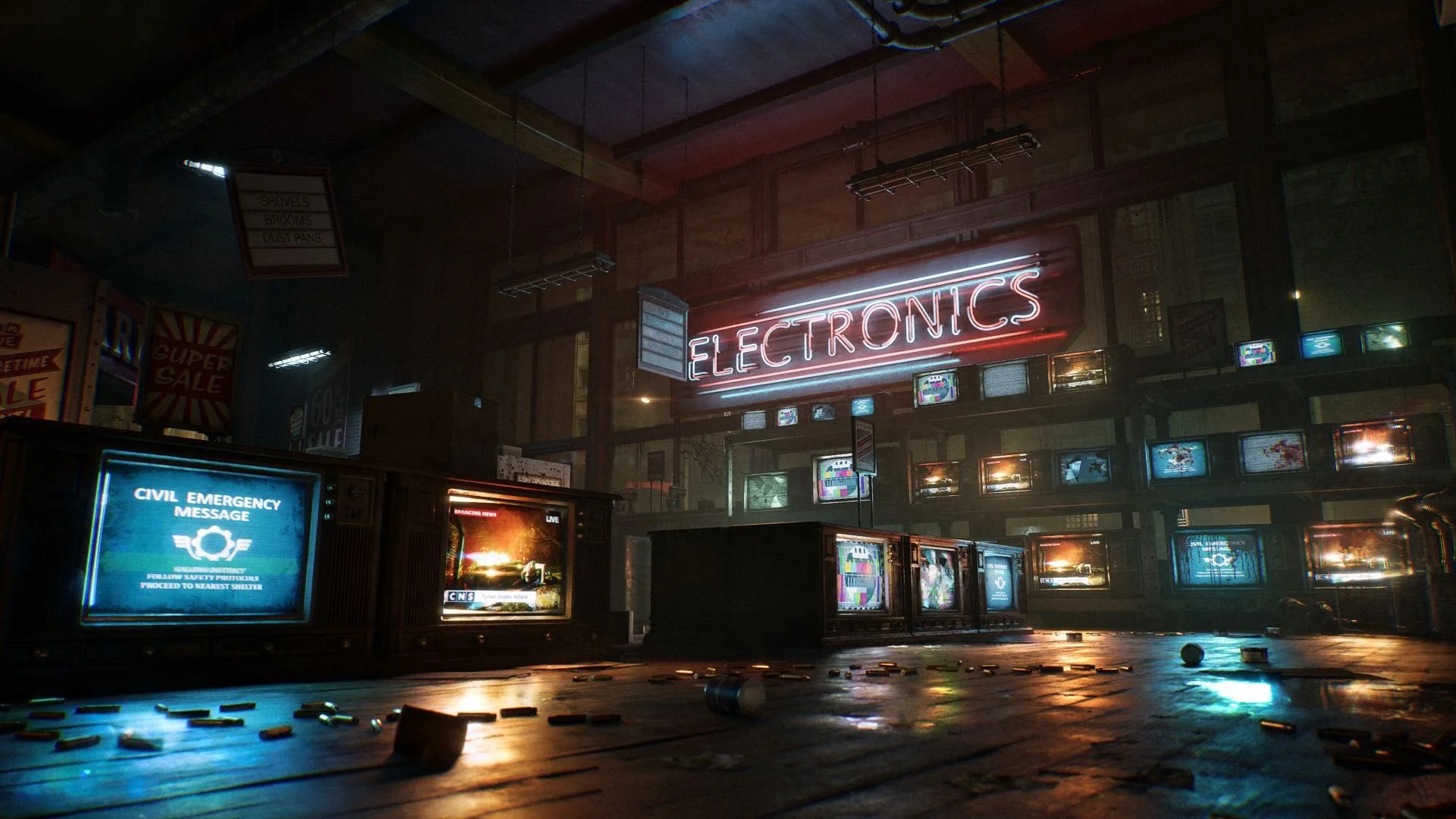
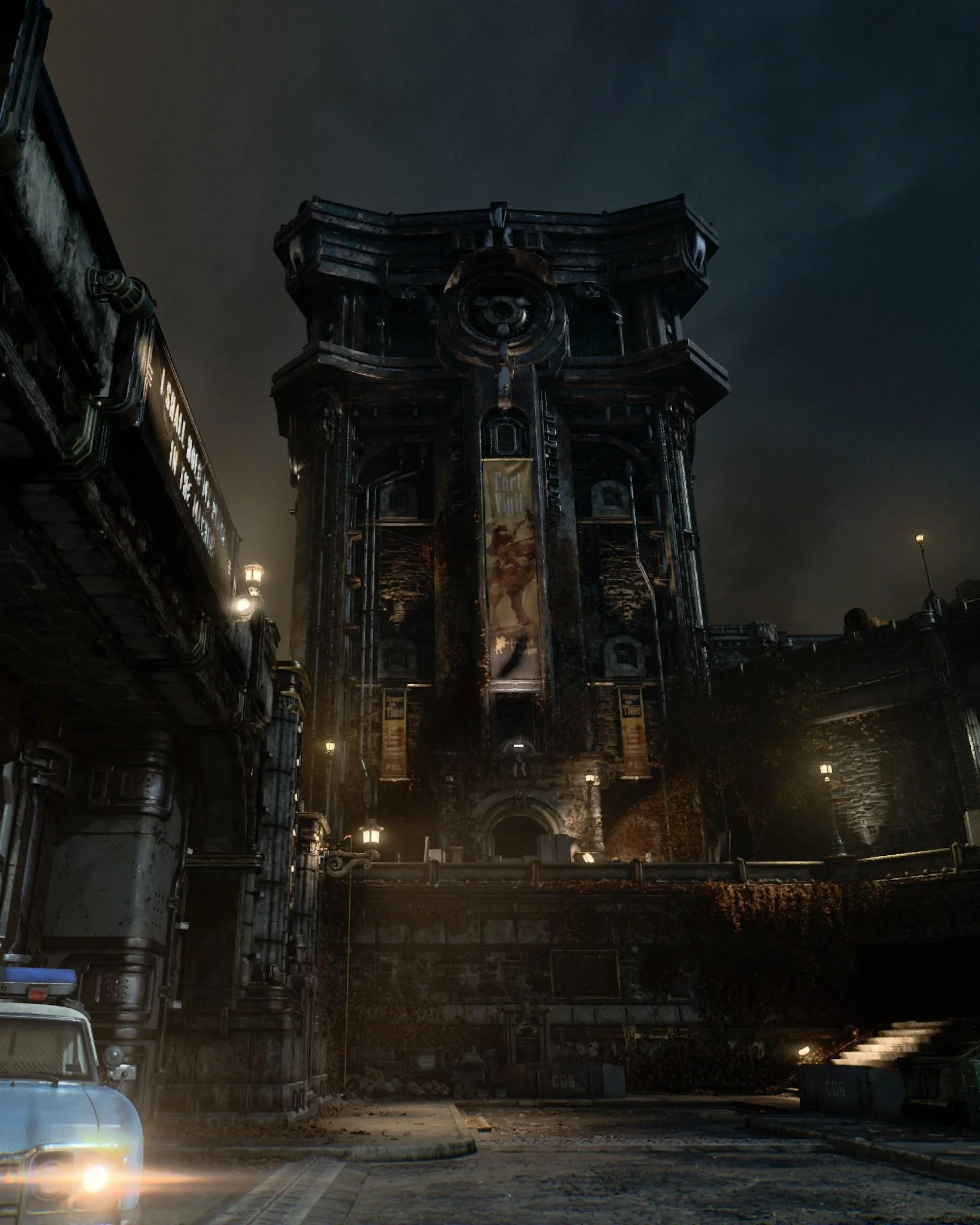
I also spent multiple extended stints, including finaling, with E Day where I would find performance optimization opportunities and carry out fixes for the issues. Among these efforts I went through every building in multiple city acts and did a pass to set collisions to no-collision where applicable, weapon only where players can’t travel to, and stripped out meshes entirely from the game where it is an internal face that the player cannot see. Due to the nature of procedural generation, content was created by the team at a much higher rate than there was time to audit them.
To make this easier, I leveraged the telemetry data from Databricks for player and pawn positions to make the decision making easier and more certain. However, I still took the time to familiarize with the level’s gameplay so as to not break any gameplay mechanics (example moving bridges). This pass saved 1.2ms on game thread and 200MB of memory on average in the levels I worked on.
Lights
Part of the challenge in optimization was also the implementation of Megalights part way through the project’s production cycle. I was a part of the evaluation team for Megalights, setting up demo content and gathering performance data to assist The Coalition’s rendering and tech art team to interface with the Epic team and refine the feature set for 60FPS.
On E Day itself, I also did passes in both day time and night time levels to figure out performance hotspots from lighting and bring recommendations back to the lighting team, then guide the team to carry out optimizations. Examples of the optimizations involve using looking for high ray count hotspots via r.megalights.visualize cvars and finding that car headlights and traffic lights were contributing way too far beyond reasonable distances, or sky light popping into internal spaces via light leaks.
Finaling and Bugfixing
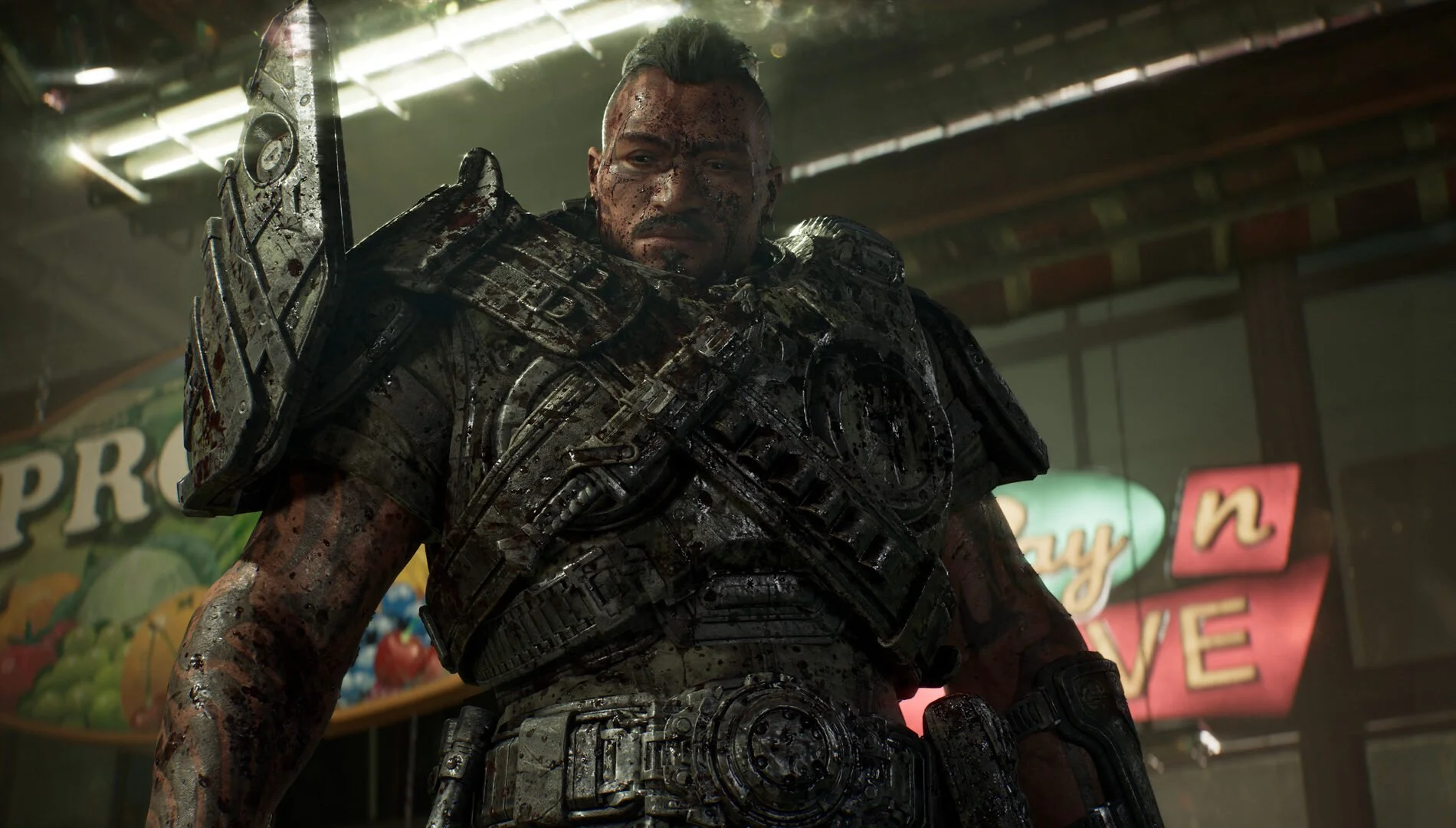
Most often, I get a bunch of ghosting bugs. Even though a lot of these bugs look the same they all required different solutions. One may be ghosting because the volumetric fog in the background doesn’t play well with motion vectors from character occluding it in front, another may be thin geometry detection feature on high metalness assets creating ghosting in motion. Other bugs may be the lumen sample sizes being being set too low creating a glow around characters, or just something simple like an open seam in the world during nanite tessellation in which we can simply put an object over top.
There is nothing quite like finaling a game that brings the breadth of knowledge and how systems interconnect to the forefront and it is by far my favourite part of a project, getting the chance to learn how systems all come together in a tangible player facing way.